Advanced Foraging & Plant ID Field Trip
| Sat, October 11, 2014 | 08:00 AM - 06:00 PM |
|
|

|
Spend a day being led by Pat Armstrong on this advanced foraging and plant id trip to Mud Lake Bog and Warren Woods in Michigan. We will explore both of these nature preserves to discover the many edible wild plants, learn about the ecology of a bog and a climax forest, and sample some tasty berries and nuts. The field trip is limited to graduates of the Edible Wild Plants Certificate course, current EWPC course takers, or for people with comparable plant id skills.
At Mud Lake Bog we will walk on a board walk through the bog enjoying the fall color of poison sumac, red maples and tamaracks. We will see animal eating plants like pitcher plant and sundew, plus plenty of sphagnum moss. Because this is a nature preserve we cannot collect but we should all get a chance to eat one Vaccinium macrocarpon. It will be too late for Vaccinium corymbosum berries, but we will see several wild edible plants such as Nymphaea odorata, Peltandra virginica, Typha latifolia, Rhus typhina, Aronia melanocarpa, Rosa palustris, Impatiens (2 species), and Sassafras albidum.
For lunch we will head to Warren Woods where we can collect Juglans nigra and Carya ovata along the way. There will be pit toilets at the lunch stop but no water. There are no toilets at the bog or the woods.
At Warren Woods Climax Beech-Maple Forest we will walk on sandy trails through the forest along the shores of a river. There is an artesian well at the bottom of the slope down to the river where we can forage wild spring water, so bring a small container. We will see giant beech, sugar maple and tulip trees here. Since this is a nature preserve we cannot collect but hopefully we will find some ripe Asimina triloba, Fagus grandifolia, Lindera benzoin, Berbeis thunbergii, Mitchella repens, Celtis occicentalis and Sambucus canadensis to nibble on. Other wild edibles we will see include Impatiens (2 species), Amphicarpa bracteata, Asarum canadense, Laportea canadensis, Osmorhiza claytonia, Symplocarpus foetidus, Rubus allegheniensis and Vitis riparia.
The botanical names for the wild edible plants are being used because all participants should know these plants from the edible wild plants classes or other similar classes. This class is ideal for all graduates and current students of the Edible Wild Plants Certificate course.
Space is limited to 12 people.
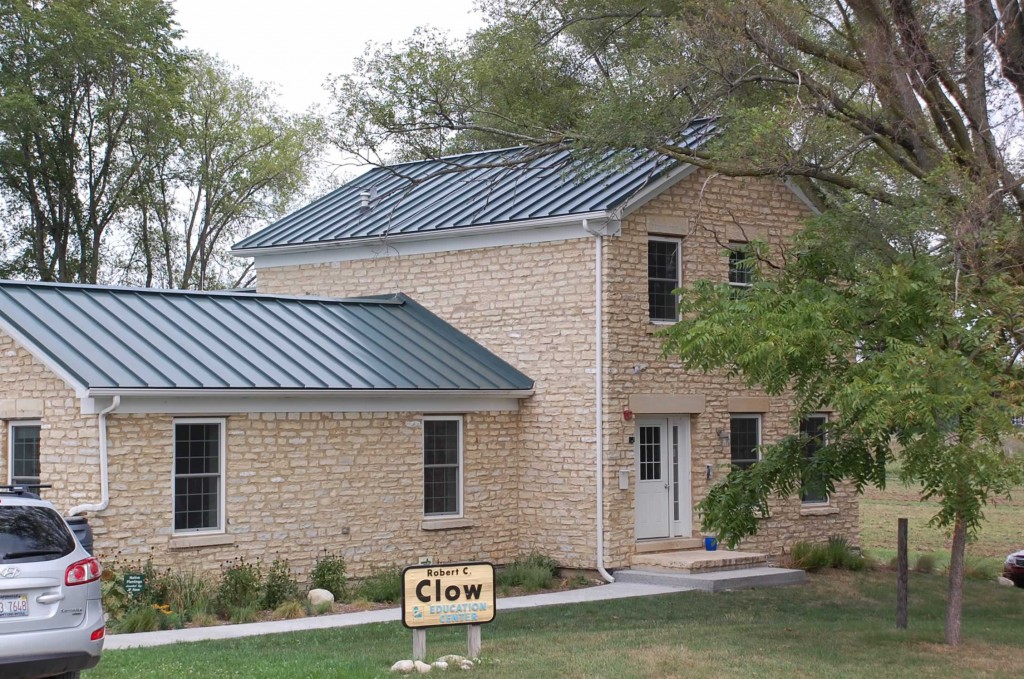
We will meet at The Resiliency Institute and carpool, ideally in no more than 3 cars. The total trip is about 240 miles, 2 hours each way or more depending on traffic. Participants are asked to contribute to gas and toll expenses of their driver.
What to Bring
- lunch packed in reusable packaging
- water bottle
- shoes for hiking and wet conditions
- camera
- plant id book
- notebook
- insect repellant
- containers for
- collecting spring water
- collecting nuts
Class Fee: $75 (Your registration will be confirmed upon Paypal payment)